How to Remove Candle Wax from Fabric, Carpet, Wood, and Glass
Candles add warmth, fragrance, and character to a space, but spilled wax can quickly turn a relaxing moment into a cleaning challenge. Wax may drip from a taper candle, splash when a candle is moved, or remain inside a holder after the candle has finished burning.
The right removal method depends on the affected material. A technique that works well on glass could damage wood, while excessive heat could push wax deeper into carpet or fabric fibers. Before cleaning, allow the wax to cool, identify the surface, and test your method in a small, inconspicuous area.
Before You Begin: Let the Wax Cool
Resist the urge to wipe up hot wax immediately. Rubbing melted wax can spread it across a larger area and push it deeper into porous materials. Hot wax can also cause burns.
Unless the spill presents an immediate safety concern, allow the wax to cool and harden. You can speed up the process by placing ice cubes inside a sealed plastic bag and resting the bag over the wax. Avoid placing ice directly on surfaces that could be damaged by moisture.
Once the wax is firm, carefully lift or scrape away as much as possible using a plastic card, spoon, or dull-edged tool. Avoid knives and sharp metal scrapers, which can cut fabric or scratch finished surfaces.
How to Remove Candle Wax from Fabric
Before treating clothing, table linens, curtains, or upholstery, read the item’s care label. A professional cleaner should generally handle delicate fabrics, antique textiles, and dry-clean-only materials.
Step 1: Harden and remove the excess wax
Place a sealed bag of ice over the wax until it becomes firm. Gently bend the fabric, if possible, to loosen the wax. Use a dull spoon or plastic card to lift away the hardened pieces without pulling or damaging the fibers.

Step 2: Address the remaining residue
A small amount of wax may remain within the fabric. Place the affected area between clean, plain white paper towels or absorbent cloths. If the care label permits heat, press the area briefly with an iron on its lowest appropriate setting.
Do not use steam, and do not allow the iron to touch the wax directly. Move to a clean section of the towel as the wax transfers out of the fabric.
Exercise additional caution with synthetic materials because excessive heat can melt or damage their fibers. If you are unsure whether the fabric can tolerate heat, consult a professional cleaner.
Step 3: Treat any color or oil stain
Colored candles may leave dye behind, while scented candles may produce an oily mark. Apply a laundry stain remover suitable for the material and follow the directions. Wash the item according to the care label, but do not place it in the dryer until the stain is completely gone. Dryer heat can make the remaining stain more difficult to remove.
How to Remove Candle Wax from Carpet
The most important rule when removing wax from carpet is to avoid rubbing. Rubbing spreads the wax and pushes it farther into the carpet pile.
Step 1: Freeze the wax
Place ice in a sealed bag and hold it against the affected area until the wax hardens. Carefully break up the hardened wax and remove the loose pieces with a spoon or dull-edged tool.
A vacuum can help collect small fragments, but make sure the wax is fully hardened before vacuuming.
Step 2: Lift the remaining wax
If residue remains, place a clean white cloth over the area. Apply gentle warmth using a hair dryer on a low setting while blotting with another clean cloth. The goal is to soften the wax slightly so the cloth can absorb it—not to melt it deeper into the carpet.
Some cleaning guides recommend using an iron, but this can melt synthetic carpet fibers or damage the backing. A hair dryer provides more control. Keep it moving and avoid concentrating heat in one place.

Step 3: Remove any remaining stain
After the wax is gone, a colored or oily mark may remain. Use a carpet-cleaning solution approved for your carpet type. Test it in a hidden area first, and blot from the outside of the stain toward the center.
Avoid oversaturating the carpet. For valuable rugs, wool carpeting, or stubborn stains, contact a professional carpet cleaner.

How to Remove Candle Wax from Wood
Wood requires special care because scraping, moisture, cleaning chemicals, and heat can damage its finish.
Step 1: Allow the wax to harden
Let the wax cool naturally or use a sealed bag of ice for short periods. Do not allow condensation or water to sit on the wood.
Step 2: Lift the wax gently
Use a plastic card or plastic scraper to lift the hardened wax in the direction of the wood grain. Keep the tool nearly flat against the surface to avoid scratching the finish.
Do not use a knife, razor blade, or metal scraper.
Step 3: Soften and wipe away residue
If a thin layer remains, warm it carefully with a hair dryer on its lowest setting. Hold the dryer several inches away and keep it moving. As the wax softens, wipe it with a clean, soft cloth.
Finish by cleaning or polishing the area with a product specifically approved for that type of wood and finish. Avoid using strong solvents unless the furniture manufacturer recommends them.
Unfinished or porous wood may absorb wax more deeply and could require professional refinishing.

How to Remove Candle Wax from Glass
Wax is generally easier to remove from glass, but the surface can still be scratched or cracked if handled incorrectly.
Step 1: Remove the hardened wax
Once the wax is cool, carefully lift it with a plastic card or nonmetallic scraper. Avoid using knives or razor blades, particularly on decorative, tinted, coated, or delicate glass.
Step 2: Wash away the residue
Use warm water, dish soap, and a soft sponge to remove the remaining film. For a flat glass surface, a small amount of gentle warmth from a hair dryer can soften stubborn residue before it is wiped away.
Never pour boiling water into a cold candle jar. Sudden temperature changes can cause glass to crack or shatter. You should also avoid heating glass that is chipped or already damaged.
Step 3: Polish the surface
After the wax is removed, wash and dry the glass thoroughly. Use a glass cleaner if necessary to eliminate fingerprints or oily residue.
Do not pour melted wax down a sink or drain. Wax can cool and harden inside the plumbing. Allow removed wax to solidify and dispose of it in the trash.

How to Prevent Candle Wax Spills
A few simple precautions can make candle cleanup less likely:
• Use holders made for the candle’s size and shape.
• Keep taper candles upright and securely fitted inside their holders.
• Place candles on stable, level, heat-resistant surfaces.
• Protect tables with a tray, plate, or appropriate candle base.
• Keep burning candles away from drafts, fans, vents, and open windows.
• Do not move a candle while the wax is liquid.
• Keep candles away from children, pets, curtains, and flammable decorations.
• Never leave a burning candle unattended.
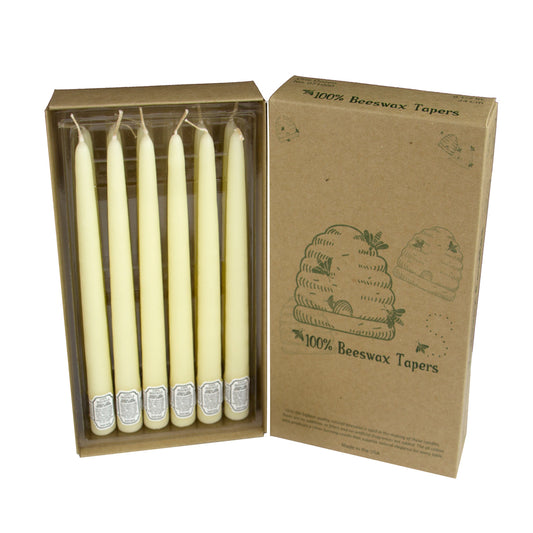
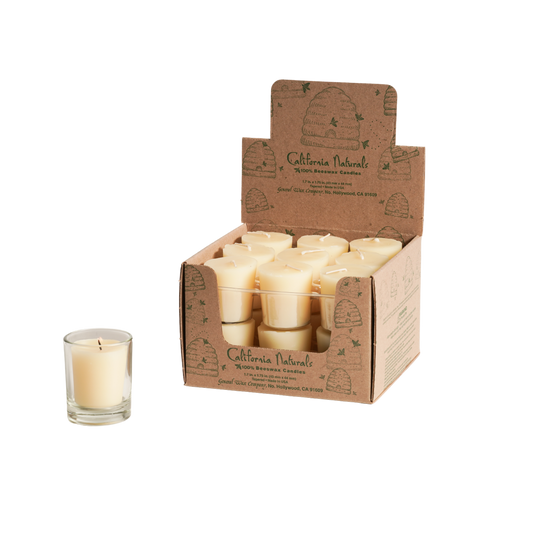
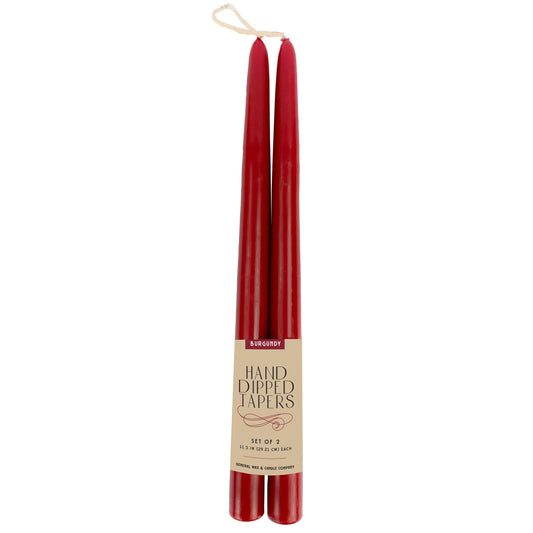
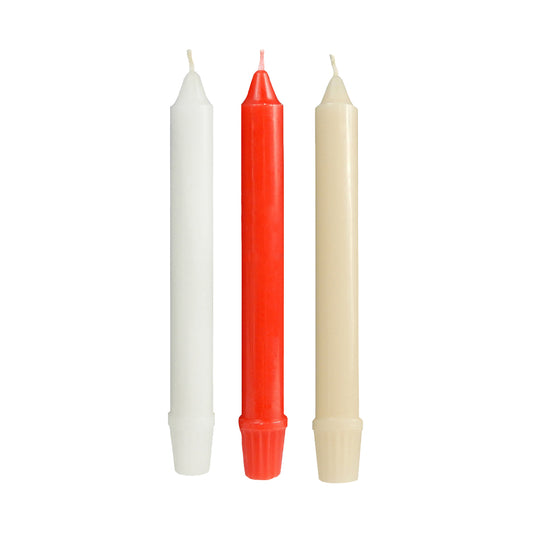
When using pillar or taper candles, make sure the holder can catch dripping wax. For events and dining tables, properly sized holders help protect linens and surrounding decorations.

When to Call a Professional
Home cleaning methods are not appropriate for every surface. Professional assistance may be the safest choice when wax spills on:
• Antique or valuable furniture
• Silk, velvet, or other delicate fabrics
• Dry-clean-only clothing
• Handwoven or specialty rugs
• Unfinished or porous wood
• Materials with unknown care requirements
Trying several aggressive cleaning products can create more damage than the original wax spill. When in doubt, stop and consult an appropriate cleaning professional.
Removing candle wax is usually manageable when you allow it to harden, remove the excess carefully, and choose a method suited to the affected surface. Fabric and carpet require gentle lifting and stain treatment, wood needs protection from scratches and excess moisture, and glass should be cleaned without sharp tools or sudden temperature changes.
With proper candle placement and a suitable holder, many wax spills can be prevented. You can then enjoy the glow and atmosphere of your candles without worrying about difficult cleanup.