Candle wax guide: Types, uses, and key differences
Candles are more than decorative items—they set moods, add fragrance, and create a cozy atmosphere. At the heart of every candle is wax, which determines how it burns, smells, and looks. Different types of candle wax offer unique qualities: some last longer, some hold scents better, and others provide a natural or decorative appeal. Knowing the options helps you choose candles that suit your style, whether you want a long-lasting glow, a fragrant experience, or a visually striking centerpiece for your space.
Why does wax matter?

Wax is the foundation of every candle, serving as the fuel that keeps it burning while also carrying its fragrance and color. Different types of wax can affect how long a candle burns, how strongly it releases scent, and the way it looks when lit. Wax choices also vary in environmental impact, cost, and availability. Selecting the right wax influences the overall experience, from the candle’s longevity to its scent performance and appearance. Understanding these differences helps you pick candles that match your needs, whether for ambiance, decoration, or eco-conscious living.
Popular candle wax options
There are several popular wax options available today, each with its own set of benefits.
Paraffin wax

Paraffin wax is the most commonly used type of wax, prized for its affordability and versatility. It burns brightly and produces a clean flame, making it a reliable choice for candles in many settings. One of its key benefits is its excellent ability to hold fragrances, so scented candles made from paraffin can fill a room with a long-lasting aroma. Paraffin wax is also very adaptable, blending easily with colors and scents to create visually appealing and highly customizable candles. Because of these qualities, it is widely used in both decorative and everyday candles. Paraffin remains a popular choice for its performance, affordability, and the wide variety of candles it can support, from simple container candles to elaborate decorative designs.
Soy wax

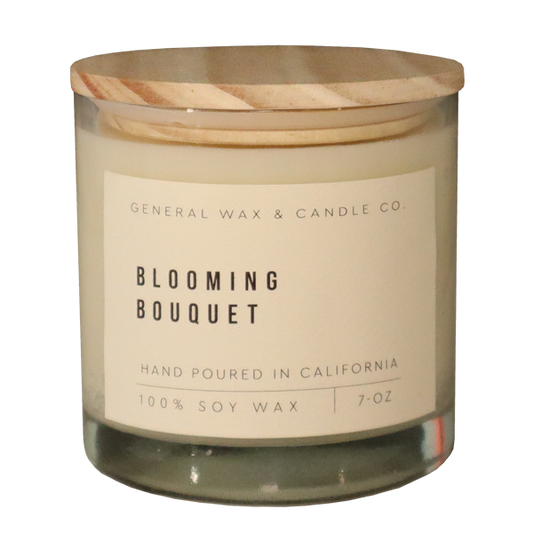
Soy wax is a natural alternative to paraffin and is made from hydrogenated soybean oil. It is widely chosen for its biodegradable and renewable qualities, making it appealing to those who prefer more eco-friendly candle options. Soy wax burns more slowly and evenly than paraffin, which helps candles last longer and release fragrance gradually rather than all at once. This steady burn makes soy candles especially popular for container candles. Soy wax has a softer consistency and a smooth, creamy appearance that gives candles a natural, understated finish. While it is not always used for freestanding candles without modification, its clean burn and gentle scent throw make it a favorite for everyday use. Overall, soy wax is valued for its balance of performance, sustainability, and aesthetic appeal.
Beeswax

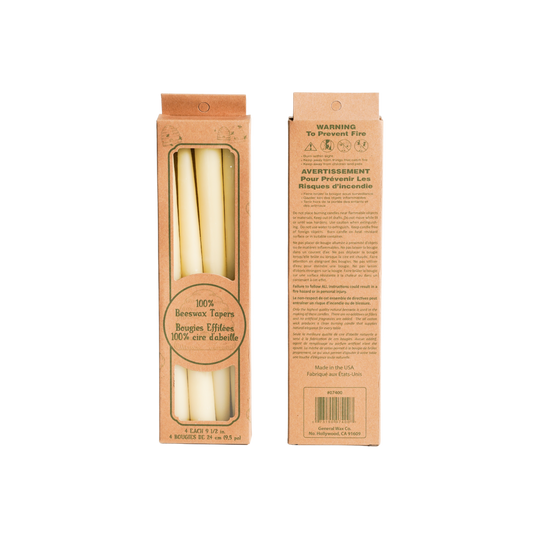
Beeswax is a traditional and natural wax that has been used for centuries. Produced by honeybees, it has a subtle, naturally sweet aroma that enhances a candle’s scent even without added fragrance. Beeswax candles are known for their long burn time and warm, golden glow, which can add a sense of elegance and comfort to a space. Because beeswax is denser than many other waxes, candles made from it tend to hold their shape well and drip less while burning. Beeswax also has natural air-purifying qualities, as it releases negative ions that may help reduce airborne particles. It is often more expensive than other waxes, but many find the natural glow and fragrance worth the price.
Palm wax

Palm wax is a natural type of wax derived from palm oil. It is especially known for creating candles with a distinctive textured or crystallized appearance, which makes it a popular choice for decorative candles. This unique finish adds visual interest and can enhance the overall look of a space. Palm wax burns cleanly and evenly and is capable of holding fragrance well, allowing candles to release scent consistently while burning. Choosing products that use sustainably produced palm wax can help reduce environmental impact while still enjoying the aesthetic and performance benefits this wax offers.
Coconut wax

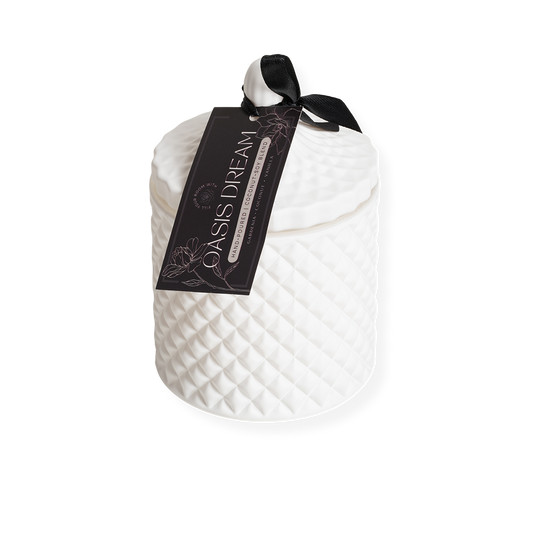
Coconut wax is a natural candle wax made from cold-pressed coconut oil. It is often considered a premium option due to its smooth texture and clean-burning qualities. Coconut wax burns slowly and evenly, which helps candles last longer and release fragrance gently over time. It also holds scent exceptionally well, making it a popular choice for luxury and high-end candles. This wax has a creamy, soft appearance that gives candles a polished and elegant finish. Coconut wax is typically blended with other natural waxes to improve stability and performance. Because it is derived from a renewable resource and produces minimal soot, it appeals to those seeking eco-conscious candle options.
Sand wax

Sand wax is a unique type of candle wax known for its loose, granular texture that resembles sand. Unlike traditional candles, sand wax is poured into a container around a wick, allowing users to create customizable candle designs. This type of wax burns cleanly and melts only around the wick, leaving much of the surrounding wax intact. Sand wax is popular for its decorative flexibility, as it can be reused and reshaped after burning. It is often unscented or lightly scented, making it ideal for a subtle ambiance rather than a strong fragrance. Because of its simple setup and creative appeal, sand wax is commonly used for centerpiece candles or modern home décor. Its reusable nature also makes it an appealing option for those looking for low-waste candle alternatives.
Choosing the right candle wax

When buying candles, the type of candle wax plays an important role in how the candle looks, smells, and burns. Paraffin wax is commonly used for its strong scent performance and bright flame, while soy and beeswax are often chosen for their natural qualities and clean-burning properties. Each wax offers a different experience in terms of burn time, fragrance release, and overall appearance. Paying attention to wax type can help you choose candles that fit your lifestyle, whether you prefer a long-lasting scent, a more natural option, or a warm, elegant glow. Understanding these differences makes it easier to select candles that create the atmosphere and comfort you want in your space.

Not all candles are created equal, and the type of candle wax used plays a major role in a candle’s performance. From the reliable brightness of paraffin to the natural charm of soy and beeswax, and the gentle coconut wax, each wax offers something unique. Understanding the differences can help you choose candles that look good, smell wonderful, and create the perfect atmosphere for your home.